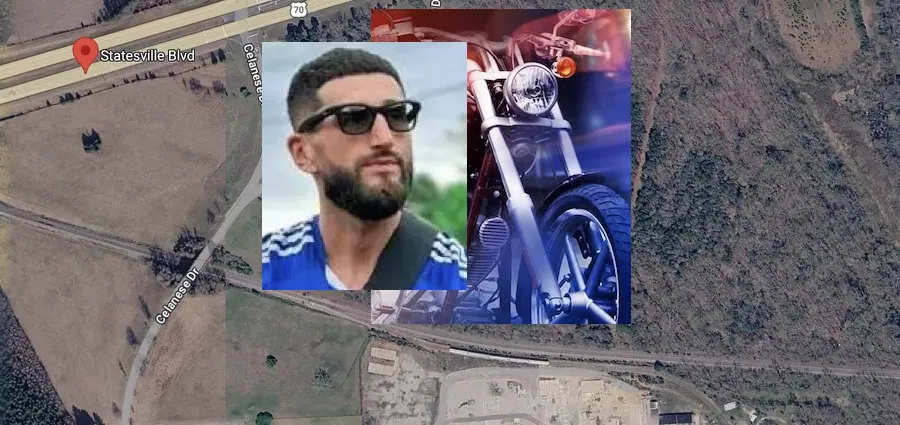
The case of Josef Kalic remains one of the most haunting unresolved investigations from the mid-2000s, capturing public attention years after investigators uncovered disturbing evidence that he had been murdered and buried near a prominent oak tree. The tragedy surrounding his disappearance in 2006 continues to evoke interest among true crime enthusiasts, family members, and law enforcement professionals, highlighting the enduring complexities of cold cases involving missing persons turned homicide investigations.
Initially reported missing after vanishing under suspicious circumstances, Josef Kalic’s disappearance sparked concern among relatives, friends, and investigators alike. The circumstances surrounding his sudden absence were mysterious, prompting authorities to launch a comprehensive investigation aimed at determining his whereabouts and reconstructing his last known movements. Despite efforts to find him alive, the case grew more troubling as evidence suggested foul play rather than voluntary disappearance.
Over time, law enforcement uncovered evidence pointing to a violent end for Kalic. Authorities confirmed that he had been killed, transforming what was once a missing persons case into a homicide inquiry. The most significant breakthrough came when investigators located human remains believed to be Kalic’s buried near a large oak tree in a remote area. This discovery became a pivotal moment in the case, offering a tangible connection to his final moments and providing a focus for forensic examination.
Forensic teams examined the burial site extensively, collecting evidence and analyzing environmental factors to piece together the timeline and events leading to Kalic’s death. Investigators reviewed witness statements, examined digital communications, and scrutinized personal relationships and movements prior to his disappearance. The investigation also faced challenges posed by the remote location, environmental conditions, and the passage of time, which can complicate evidence preservation and reconstruction efforts.
Public interest in the case continues to grow, fueled by the disturbing details surrounding the burial site and the unresolved questions about his death. Many in the true crime community and missing persons advocacy groups revisit the case, emphasizing the importance of ongoing investigation efforts and forensic advancements. Modern DNA analysis, environmental forensics, and digital tools have the potential to yield new insights even years after the initial discovery.
The tragic end of Josef Kalic underscores broader issues concerning missing adult investigations and the importance of early public awareness. Families of missing persons often depend heavily on media coverage, community outreach, and law enforcement cooperation to generate leads. The emotional toll on loved ones remains profound, especially as years pass without resolution, leaving lingering grief and unanswered questions.
As investigations continue, authorities urge anyone with relevant information to come forward. The Josef Kalic case exemplifies how unresolved cases can evolve into major criminal inquiries, emphasizing the critical need for preservation of evidence, witness cooperation, and persistent pursuit of justice. His story serves as a somber reminder that even many years later, new evidence or testimony can bring closure to a tragic chapter and honor the memory of those lost.